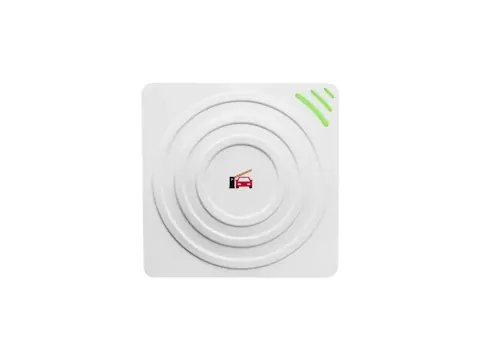
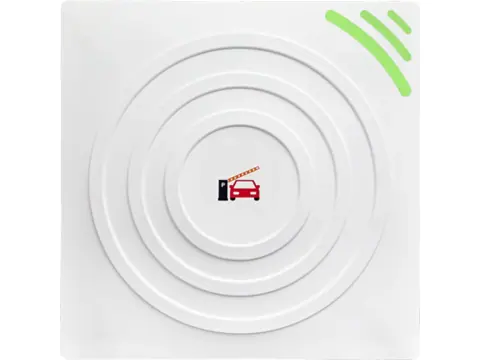
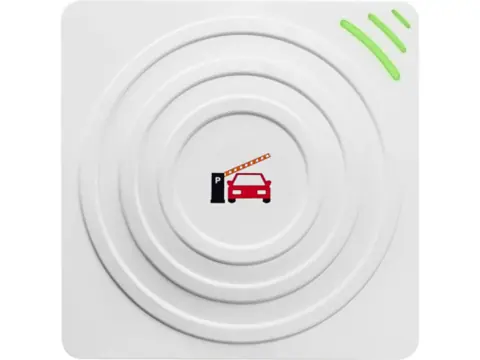
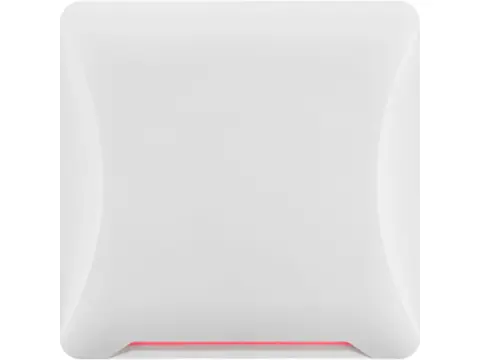
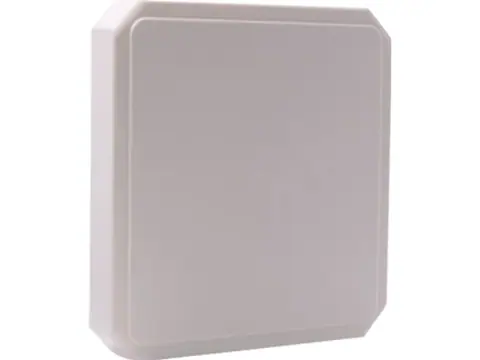
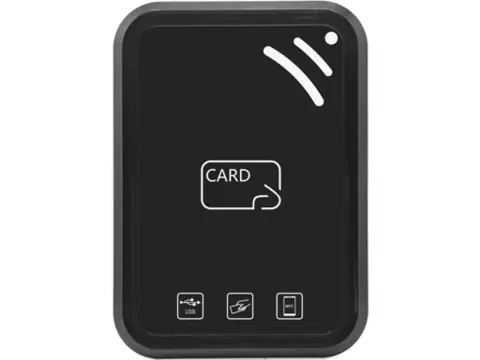
30 m Long-Range UHF RFID Reader for Parking, IP66
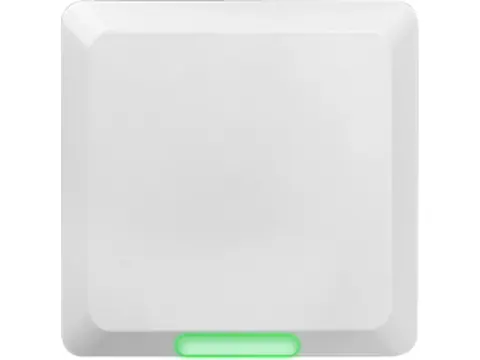
IP66 integrated UHF reader that identifies vehicle tags at up to 12 m (9 dBi) or 30 m (12 dBi), with Wiegand 26/34, RS485, USB and optional TCP/IP.
Send us your controller model, card type and install environment. We'll shortlist compatible hardware and quote within 24 hours.
EPC Gen2 UHF readers, antennas and modules for vehicle access, inventory and OEM integration. Choose the form factor from the read point, then match regional band, tag mounting and host interface.
IP66 integrated UHF reader that identifies vehicle tags at up to 12 m (9 dBi) or 30 m (12 dBi), with Wiegand 26/34, RS485, USB and optional TCP/IP.
IP66 all-in-one UHF reader and access controller: stores 5,000 users, controls the gate lock, opens by Bluetooth and reads tags at up to 10 m or 20 m.
445 mm IP66 integrated UHF reader with a 12 dBi linear antenna that reads vehicle tags at 10–20 m and reports over Wiegand, RS485 or optional TCP/IP.
309 mm integrated UHF reader that reads EPC Gen2 cards and tags at 2–10 m, with Wiegand and RS485 output, IP66 housing and a TCP/IP plus Bluetooth option.
Lower-cost integrated UHF reader for parking lanes: up to 10 m (9 dBi) or 15–20 m (12 dBi), with Wiegand 26/34, RS485, USB and optional TCP/IP.
220 × 220 × 40 mm EPC Gen2 UHF reader with a 5 m read range for parking and gate lanes, Wiegand, USB and RS485 output, and an optional RJ45 TCP/IP version.
Compact 128 × 128 × 40 mm UHF reader with a 3 m read range, metal rear shell and IP65 rating, outputting Wiegand, USB and RS485, with an optional TCP/IP version.
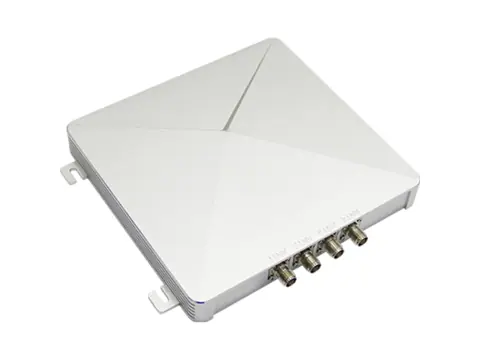
Four-antenna fixed UHF RFID reader for dock doors, portals and cabinets, with Impinj R2000 chip, 20–33 dBm output, RS232, TCP/IP and 2-in/2-out GPIO.
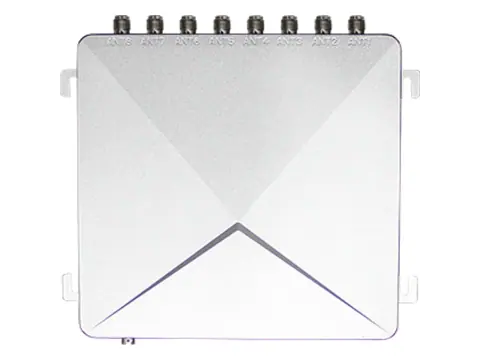
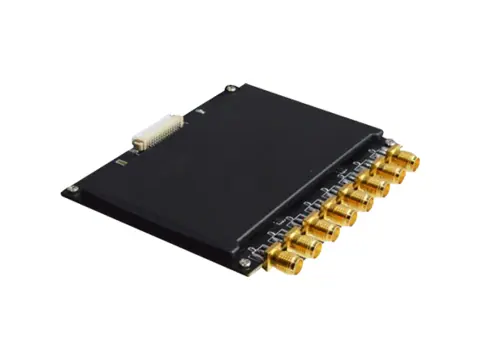
Eight-antenna fixed UHF RFID reader with Impinj R2000 chip, 33 dBm output, 700 tags/s peak inventory, RS232 and TCP/IP, plus two inputs and two outputs.
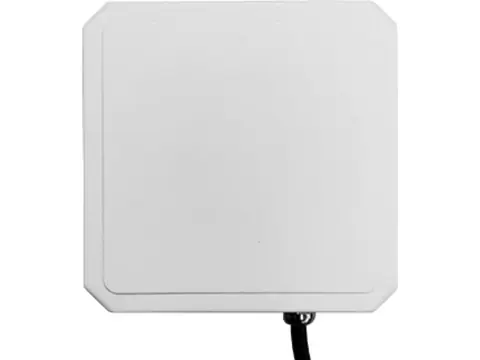
9 dBi circularly polarized outdoor UHF panel antenna with N-female connector and IP67 ABS radome, for vehicle gates, dock doors and yard portals reading at 6–20 m.
Compact 6 dBi circularly polarized UHF antenna in a 140 × 120 × 20 mm IP67 housing with SMA female port, reading 5–11 m for lanes, counters and cabinets.
Bare-board 6 dBi circularly polarized UHF antenna, 120 × 120 × 6.5 mm and 0.12 kg, with a 3 m or 5 m SMA lead for smart cabinets, shelves and self-service fridges.
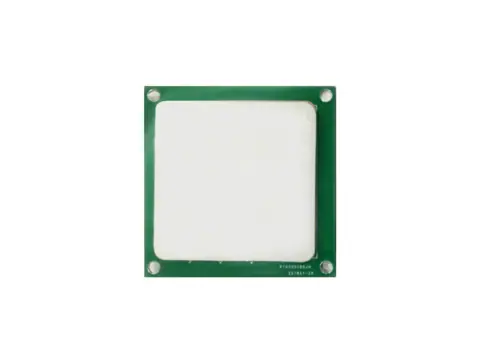
Miniature 2 dBi ceramic patch UHF antenna on a 50 × 50 mm board with 3 m or 5 m SMA lead, for short, contained read zones inside cabinets, slots and counters.
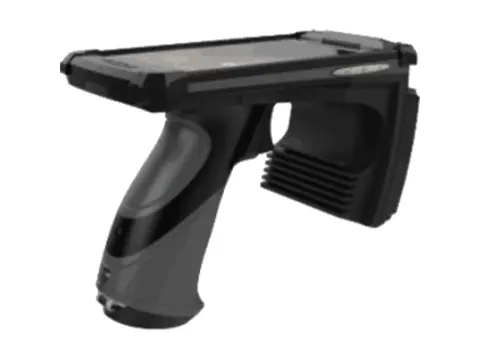
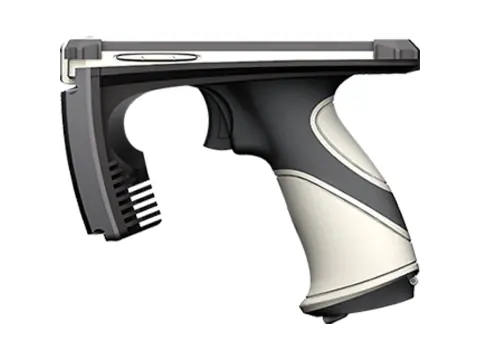
Pistol-grip Android UHF RFID reader with 0–33 dBm output, 10 m+ range and 500+ tags/s, a hot-swap 6000 mAh battery, IP64 body and US/EU band versions with 4G.
Octa-core Android 9 handheld with built-in UHF RFID, 2D barcode imager, 5.7-inch display, 4G and IP66 sealing, with optional 13.56 MHz card reading and fingerprint capture.
IP65 Android handheld with pistol grip that combines a 915 MHz UHF RFID reader (4–6 m), 1D/2D barcode scanning, 4G, dual-band Wi-Fi and GPS for field and warehouse data capture.
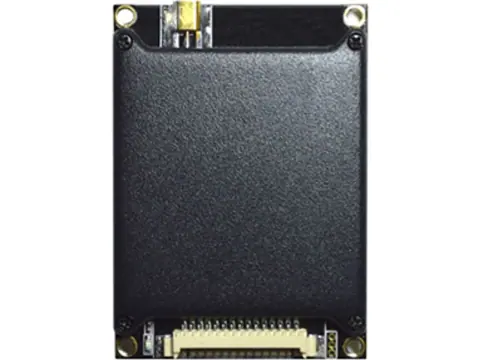
Embeddable single-antenna UHF reader engine on the Impinj R2000: 0–33 dBm output, more than 700 tags/s and a 15-pin TTL UART header, in FCC and ETSI versions.
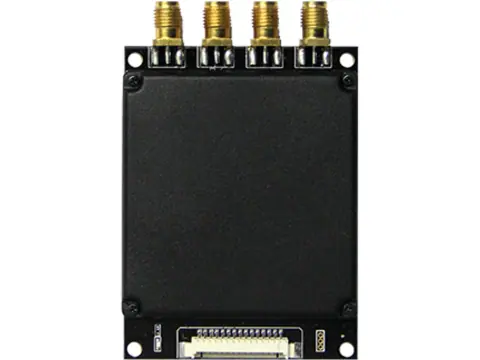
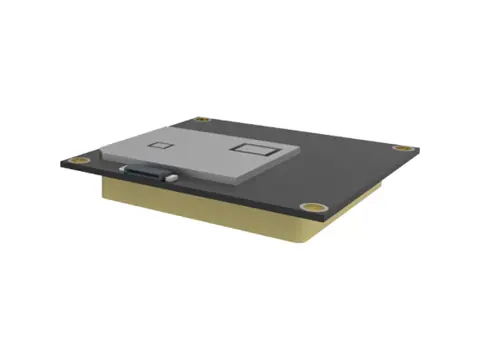
Four-antenna UHF reader engine on the Impinj R2000 for smart cabinets, shelf readers and portals: 0–33 dBm, 700+ tags/s, TTL UART, FCC and ETSI versions.
Eight-antenna UHF reader engine on the Impinj R2000 for multi-shelf cabinets and tunnel readers: 0–33 dBm, 700+ tags/s, 1,000-tag buffer, TTL UART.
One UHF reader module for both 865–868 MHz and 902–928 MHz builds: 7–30 dBm output (±1 dB), sensitivity below −85 dBm, hardware watchdog and TTL UART.
50 × 50 mm integrated UHF RFID module for handhelds and desktop card issuers: 18–26 dBm, 100–250 mA, TTL UART, reads up to 3 m with no heatsink. US and EU versions.
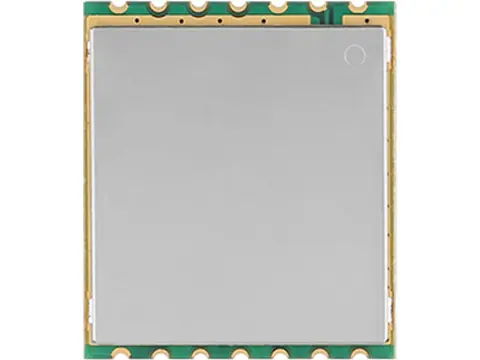
Stamp-sized 23 × 20 mm UHF RFID reader module for US-band (902–928 MHz) devices: 18–26 dBm, sensitivity below −85 dBm, TTL UART and a hardware watchdog.
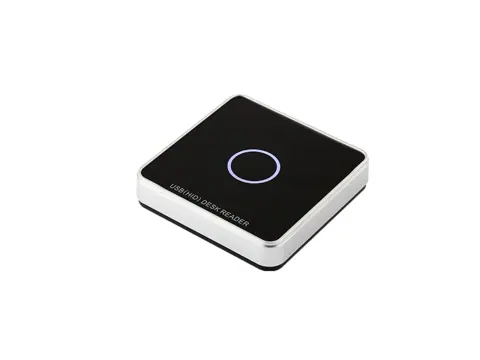
Driver-free USB desktop UHF reader/writer that types EPC, TID or USER data into any software. 0–8 cm range for controlled enrollment; US and EU band versions.
Compact USB desktop UHF reader/writer and card issuer: 2 dBi antenna, 13 dBm output, 0–30 cm reads, driver-free on Windows, Linux and Android. EU or US band.
Choose a UHF system from the event you need to capture. A vehicle approaching a barrier, a pallet moving through a portal and a staff member counting shelf stock need different read zones and software behavior. The longest stated range is rarely the best starting point.
Integrated readers combine the radio and antenna in one housing for gates and lanes. Models vary in range, interfaces and local relay control. A fixed multi-port reader connects to external antennas, letting an installer place several read points around an opening or cabinet. Choose antenna positions and cables as part of the system.
Handhelds take the reader to stock and assets. Compare the operating system, data-capture options, battery arrangement and application support. Desktop writers provide a smaller enrollment or encoding area. For a device you build, a module supplies the RF engine while your design supplies power, antenna, housing and host software.
Readers and tags must operate in the band used at the destination. State the country and ordered band rather than treating a broad tuning range as permission to operate everywhere. Confirm the exact variant and supporting documentation before specifying the installation.
A range figure depends on the antenna, tag, mounting surface and test conditions. Test the actual tags at the planned read point, including metal, liquid, people and neighboring readers. Shape the zone to exclude objects that should not trigger an event.
For access control, align the Wiegand card-number output with enrollment. For inventory, check the network or serial command set, software support and any sensor-triggered reading. The UHF reader selection guide helps turn these decisions into a sample evaluation and a complete reader, antenna and tag RFQ.
Compare UHF RFID reader bands by country, including US, EU, UK, China, India and Japan. Understand ERP, EIRP, channel conditions and radio approvals.
Wire a UHF reader's D0, D1 and ground to your controller, match 26/34-bit Wiegand, size 12 V power and trigger the barrier by relay. Diagrams included.
Yes, RFID works on metal with tags built for it. See why metal detunes standard tags, compare ABS, PCB, ceramic and label tags, and test read range properly.
Plan an RFID vehicle access control system: UHF windshield tags, long-range lane readers, Wiegand controllers and barrier triggering. Lane BOM and samples.
Plan RFID for warehouse management: fixed readers and circular antennas at dock doors, conveyor tunnels, handheld cycle counts and on-metal asset tags.
Build an RFID asset tracking system: on-metal, ceramic and tie-on tags matched to each asset, handheld audits, smart cabinets and IP67 HF heads for tooling.
Use an integrated reader for a single gate or lane, a fixed reader with external antennas for several read points, a handheld for mobile counts, a desktop unit for desk work and a module for your own hardware design.
No. It describes the stated product and test conditions. Actual performance changes with tags, mounting, orientation, antenna and surroundings; evaluate the proposed combination at the real read point.
UHF is a different radio system. Use matching EPC Gen2 UHF tags or cards. Any LF/HF feature must be listed separately for the selected device.
Confirm each destination and the exact variant. Hardware tuning range, configured region and the installation’s permitted operating conditions are separate checks.
Send your card type, interface and quantity. You get a quote, lead time and compatibility notes within 24 hours — samples available for most items.