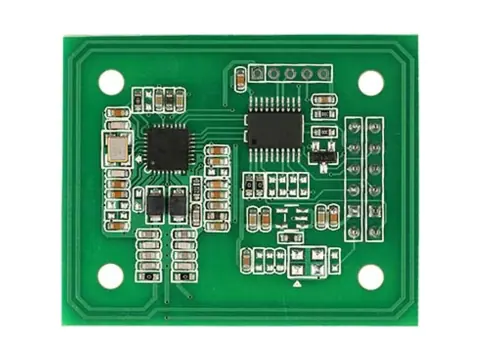
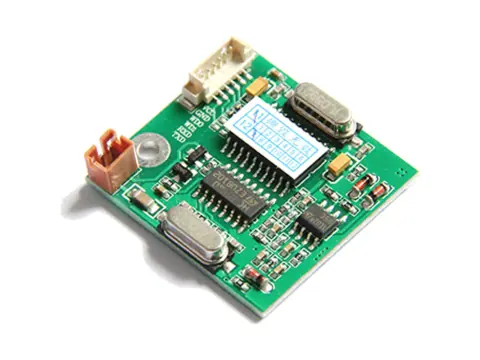
125 kHz EM4100 Reader Module with TTL, Wiegand 26 or RS232
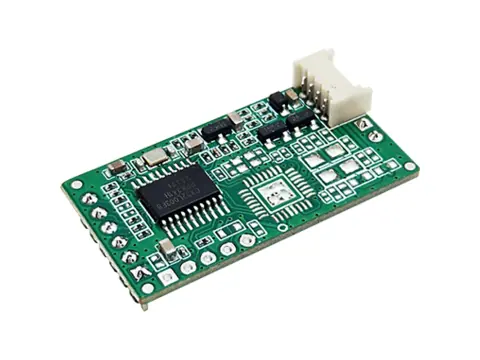
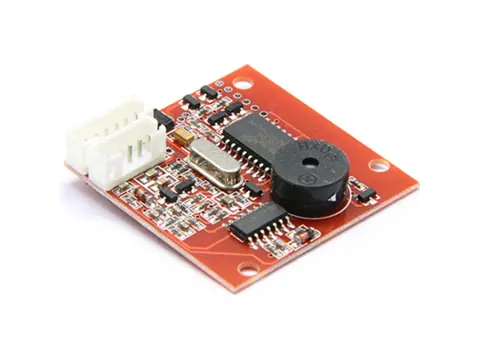
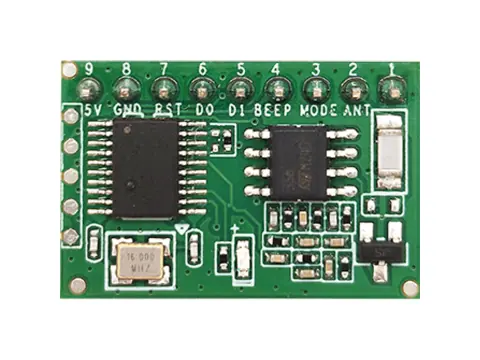
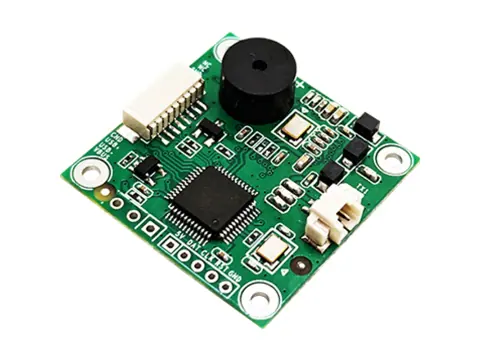
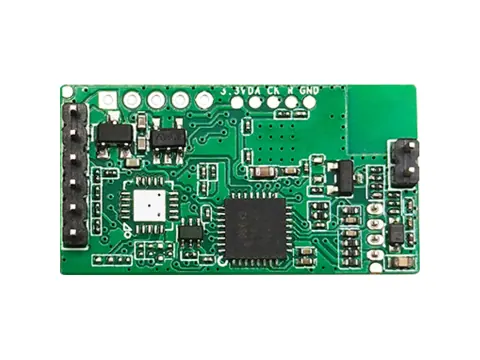
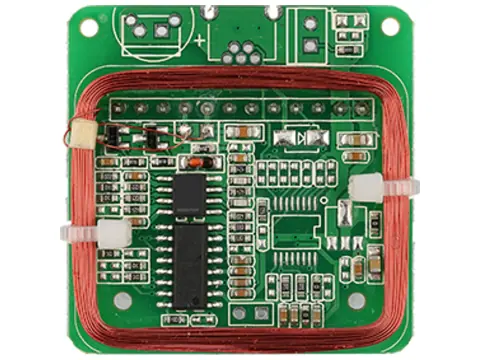
40 × 40 mm board-level reader for EM4100/TK4100 cards, ordered with TTL UART, Wiegand 26 or RS232 output, plus card-present and buzzer/LED drive pins.
Send us your controller model, card type and install environment. We'll shortlist compatible hardware and quote within 24 hours.
Embedded LF/HF modules and enclosed industrial read heads for OEM devices and production systems. Select by credential data, host interface, antenna arrangement and the final installation environment.
40 × 40 mm board-level reader for EM4100/TK4100 cards, ordered with TTL UART, Wiegand 26 or RS232 output, plus card-present and buzzer/LED drive pins.
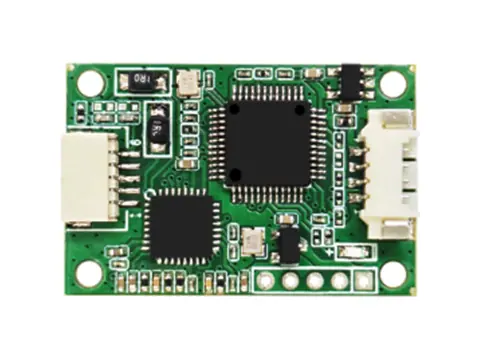
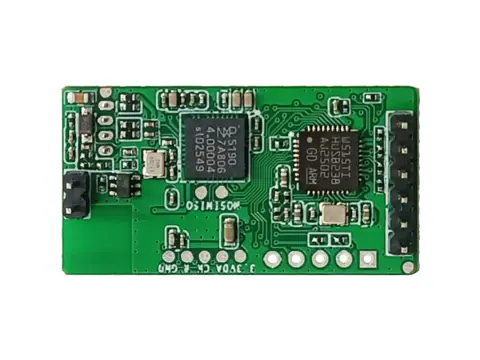
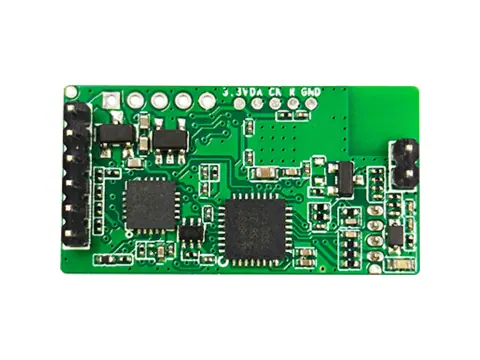
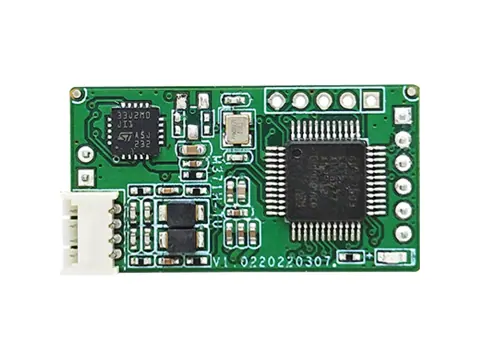
30 × 16 × 8.9 mm EM4100-family reader with a 3.3 V TTL UART, auto or command-triggered reading and serial firmware upgrade, driven by an external 490 µH antenna.
Dual-band OEM reader board that passes 125 kHz EM4100/TK4100 and 13.56 MHz MIFARE, DESFire EV1 and NTAG card numbers to a controller as Wiegand 26 or Wiegand 34.
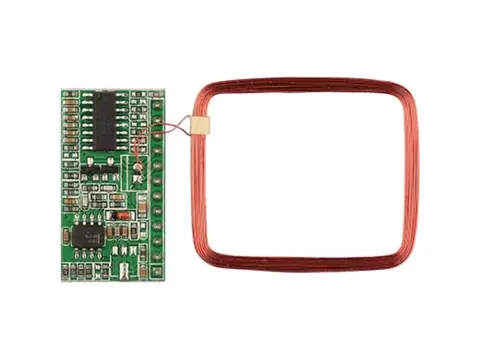
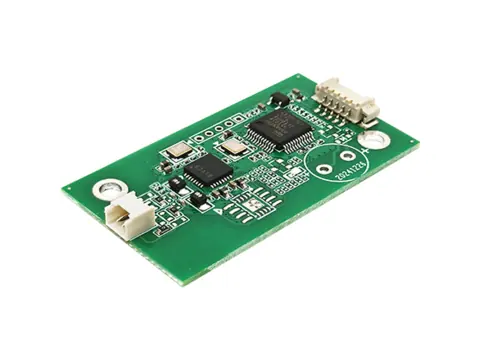
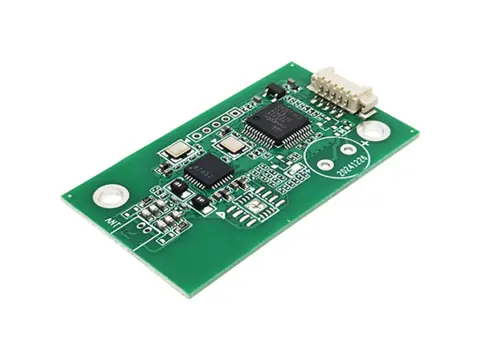
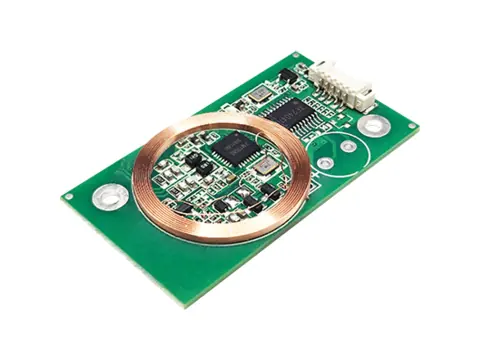
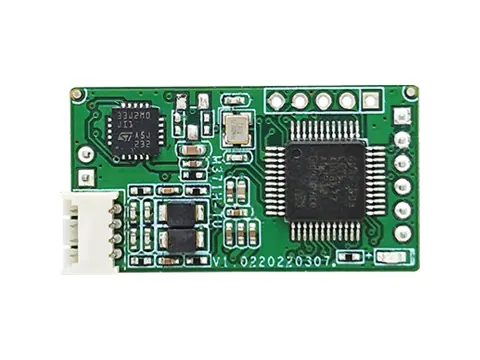
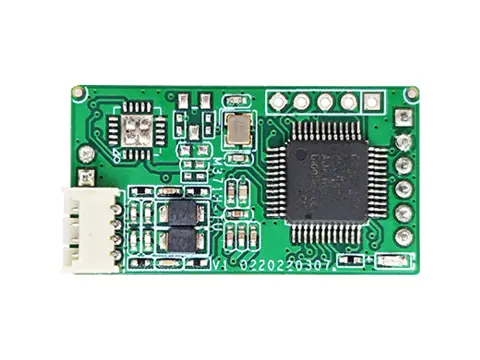
32.5 × 17.5 mm EM4100/TK4100 reader board with an external coil antenna, supplied with TTL UART or Wiegand 26 output for space-limited devices.
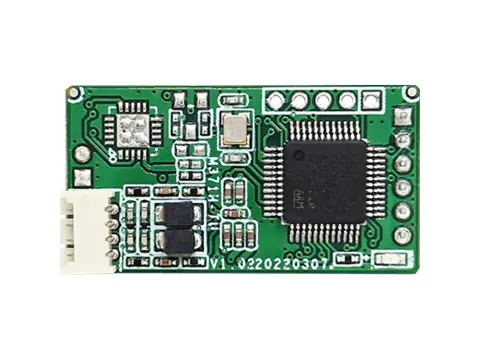
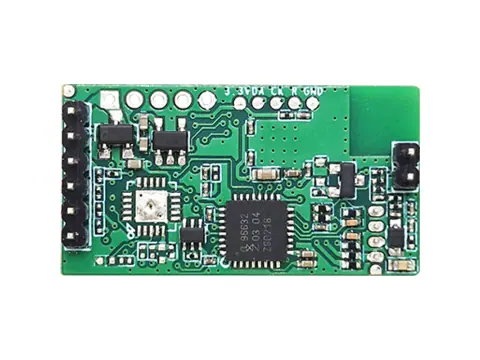
24.3 × 16 × 11.8 mm, 2.1 g low-frequency module with an external antenna that reads EM4100-family credentials at 0–8 cm and reports over Wiegand or 5 V UART.
Board-level 13.56 MHz reader/writer with on-board antenna and SAM interface pins, offered in ISO14443A, APDU, A/B and ISO15693 builds with TTL or Wiegand output.
Tiny USB CCID smart-card reader module that adds PC/SC-accessible 13.56 MHz card reading to tablets, PCs, kiosks and ticketing terminals via an external antenna.
USB-powered 47 × 26 mm multi-protocol HF module with built-in or external antenna, optional FeliCa, and SDKs for Windows, Android and Linux.
47 × 26 mm HF module reading ISO14443A/B, ISO15693 and NFC tags, with Wiegand or 3.3 V UART output, on-board or external antenna, and an optional FeliCa version.
Small-footprint 13.56 MHz read/write module that drives your own antenna through a 1.25 mm connector, with TTL, I2C or Wiegand output and Type A, APDU and A/B builds.
38 × 29 mm ISO14443A module that reads card UIDs and reads/writes MIFARE Classic sectors, available with TTL, Wiegand 34 or RS232 output.
30 × 16 mm embedded module pairing Bluetooth LE 5.1 with 125 kHz and 13.56 MHz card reading, for terminals that must accept cards, tags and phones.
47 × 26 mm module with on-board antenna that reads 125 kHz EM cards, or EM plus 13.56 MHz MIFARE/DESFire/NTAG, over USB or a UART/Wiegand connection.
30 × 16 mm OEM module that reads 125 kHz EM and HID Prox-compatible cards plus MIFARE, DESFire, FeliCa and ICODE at 13.56 MHz, over 3.3 V UART or USB.
Our most complete module: BLE 5.1 plus iCLASS, iCLASS SE, Seos and HID Prox compatibility, EM, MIFARE/DESFire/FeliCa cards and NFC mobile credentials.
30 × 30 mm USB module that reads and writes LEGIC advant and LEGIC prime and also handles MIFARE, DESFire, MIFARE Plus, NTAG, FeliCa and ICODE credentials.
Dual-frequency OEM module listing iCLASS, iCLASS SE, Seos and HID Prox compatibility, EM and MIFARE/DESFire cards, and NFC mobile credentials incl. Apple Wallet.
Dual-frequency module with BLE 5.1 that reads HID Prox-compatible and EM credentials plus MIFARE, DESFire, FeliCa and ICODE, over 3.3 V UART or USB.
Dual-frequency module with BLE 5.1 for Bluetooth virtual cards and data pass-through, reading EM4100-family, MIFARE, DESFire, FeliCa and ICODE credentials.
HF-only OEM module listing iCLASS, iCLASS SE and Seos compatibility alongside MIFARE, DESFire, FeliCa and ICODE, with 3.3 V UART and USB on a 30 × 16 mm board.
Dual-frequency OEM module for EM4100-family and 13.56 MHz MIFARE, DESFire, FeliCa and ICODE credentials, without HID formats, on a 30 × 16 × 8.8 mm board.
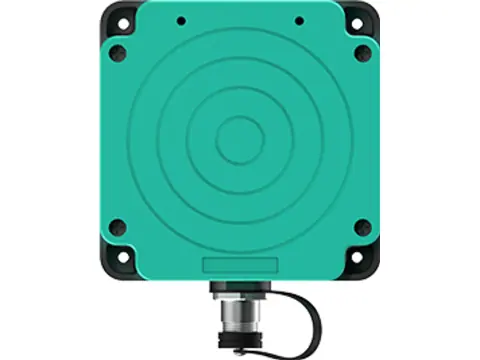
IP67 13.56 MHz reader/writer for production lines: reads ISO 15693 tags at up to 110 mm and connects to PLCs via Modbus TCP over Ethernet or Modbus RTU over RS232/RS485.
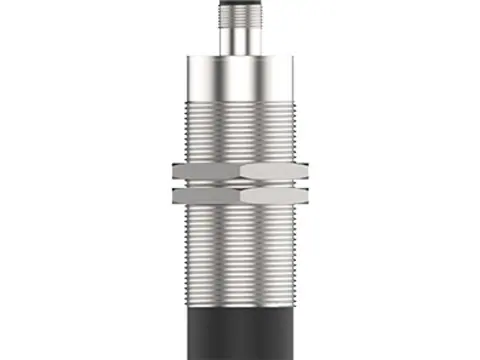
Threaded Ø30 × 65 mm IP67 read head for ISO 15693 and 14443A tags, rated up to 80 mm and reporting over RS485 Modbus RTU through an M12 connector.
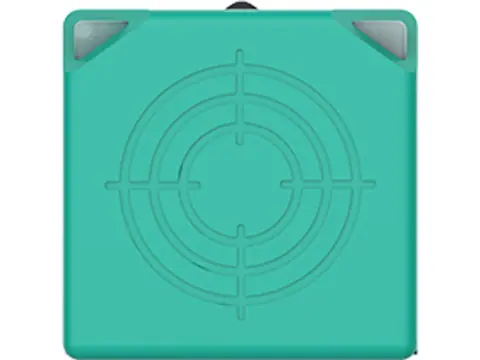
Square 40 × 40 × 45 mm IP67 read head for ISO 15693 and 14443A tags, rated to 80 mm (about 60 mm with a Ø30 mm tag), with RS485 Modbus RTU and an M12 connector.
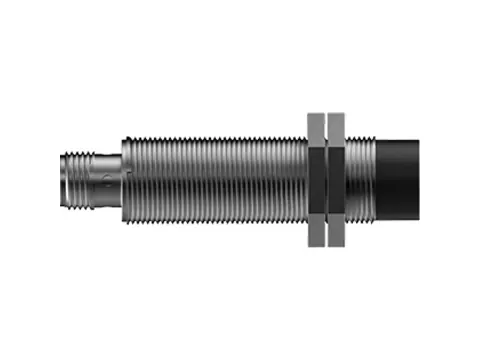
Lightweight threaded IP67 read head for ISO 15693 and 14443A tags at short range (0–50 mm), with RS485 Modbus RTU and an M12 connector; about 80 g complete.
A reader module provides the RFID function inside a product; it is not a complete access system. Your host manages the application, interprets the result and supplies the electrical and mechanical integration. Start with the exact credentials and data your application needs, then select the module and antenna together.
125 kHz modules cover EM-family card identification and selected dual-frequency builds. 13.56 MHz modules include UID readers and read/write configurations with different protocol coverage. Reading a serial number is a different task from authenticating and reading protected memory. Confirm the required operation in the command set rather than relying on a card-family name.
Multi-technology modules cover mixed credential estates, with selected proprietary-card and mobile options. Supported data and enrollment requirements depend on the exact build. A module that recognizes a card type may not return the credential data already stored in the access database.
Check supply voltage independently from UART logic level. The range includes UART, Wiegand, USB, RS232 and other interface choices; their electrical connections and software behavior differ. For USB, determine whether the host needs keyboard output, a command interface or PC/SC. Obtain pinout and command documentation with the sample.
An external antenna helps place the read point where the enclosure allows, while an onboard antenna reduces separate wiring. Test the antenna with the real plastics, metal, display and cables around it. Published open-air range is insufficient for a design decision.
For production lines, enclosed industrial HF heads offer defined protection, mounting and Modbus connections instead of bare-board integration. Confirm tag protocol and PLC communication. The embedded-reader checklist provides the questions to settle before freezing a volume design.
Compare Wiegand, OSDP and RS485 reader interfaces: wiring, cable limits, AES-128 Secure Channel and steps for a compatible access-control migration.
125 kHz cards are cheap but easy to clone; 13.56 MHz cards add memory and, on DESFire-class chips, AES security. Compare range, chips, security and migration.
Wiegand 26-bit is an even parity bit, 8-bit facility code, 16-bit card number and odd parity bit. Convert card numbers to hex and back with the calculator.
Elevator card readers for car panels and lift lobbies: anti-clone encrypted cards, QR codes for visitors, Wiegand or RS485 output to the floor controller.
Turnstile card readers, QR scanners and face terminals for tripod, swing and speed gates, with Wiegand, RS485, RS232 or TTL output to the gate board.
Build an RFID asset tracking system: on-metal, ceramic and tie-on tags matched to each asset, handheld audits, smart cabinets and IP67 HF heads for tooling.
No. A module may read only the UID or CSN. Protected memory and application data require the appropriate authentication and commands, plus authorized keys.
Not directly. The electrical signaling differs. Use suitable conversion hardware and confirm the host implements the module’s command protocol.
No. USB builds include different interface modes, including a PC/SC CCID module. Choose the mode and driver requirements for the host application.
Yes. Evaluate it in a representative enclosure with the intended antenna, power electronics and wiring, then repeat the affected checks when the physical design changes.
Send your card type, interface and quantity. You get a quote, lead time and compatibility notes within 24 hours — samples available for most items.